Why Wrexham Roofs Grow Moss (And What to Do About It)
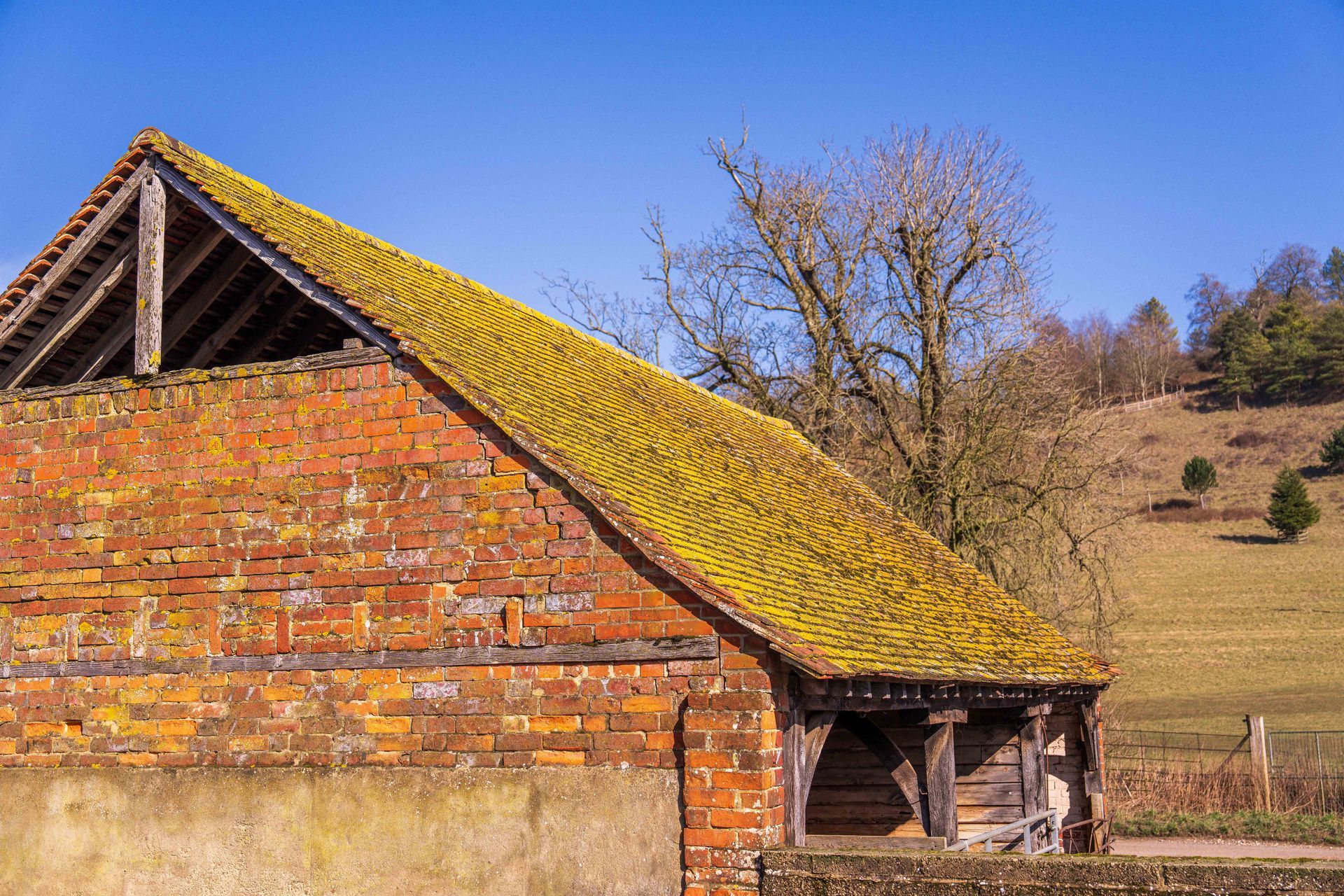
Look up at your roof after a wet Wrexham week and you'll probably spot it. Those green and yellow patches creeping across the slate are moss, and once it starts, it spreads fast.
If you live anywhere around the Dee valley or up towards the Clwydian hills, you already know how damp this corner of north Wales gets. Your roof feels that damp more than any other part of your house.
The quick answer: Wrexham roofs grow moss because the climate here is wet, cool, and often shaded, which is exactly what moss needs to thrive. Old Welsh slate holds moisture in its surface, north-facing slopes barely see the sun, and airborne spores settle into every damp gap. Left alone, that moss traps water against your roof and speeds up wear.
1. The north Wales climate does most of the work
Moss loves water, and Wrexham hands it plenty. Sitting on the western side of Britain, this area catches wet air rolling in off the Irish Sea before it climbs the hills. That means grey skies and steady rain for a big chunk of the year.
Rain isn't even the main problem. It's the constant damp between showers, the mornings when the whole street sits under low cloud and nothing ever quite dries out. Moss doesn't need a downpour. It just needs a surface that stays wet.
And your roof, up there in the open air, stays wet longer than almost anything else you own.
2. Welsh slate holds moisture in ways you'd not expect
Plenty of Wrexham roofs are covered in Welsh slate, and there's good reason for that. Slate was quarried and worked all over north Wales for generations, so it was the natural choice when these houses went up. It lasts for decades, which is why so much of it is still on rooftops today.
But older slate isn't perfectly smooth. Years of weather leave the surface slightly pitted and rough, and every tiny dip holds a bead of water. Those little pockets of moisture are where moss gets its first foothold.
Newer, harder tiles shed water quicker. A lot of Wrexham's slate is old, weathered, and gripping onto damp, which gives moss a head start most modern roofs never offer it.
3. Shade keeps the moss alive all year
Sunlight is moss's enemy. A roof slope that gets a few hours of direct sun tends to dry out and stay cleaner. The north-facing side, though, can go weeks without a proper drying.
Wrexham's older streets make this worse. Terraced rows sit close together, and with mature trees, chapels, and taller buildings dotted around, plenty of roofs spend the day in shadow. If yours faces away from the sun, it's basically a permanent damp zone.
Overhanging branches add to it. They drip long after the rain stops and drop leaves that rot into a soft, spongy layer moss adores.
4. Mining-era houses were built for a different job
Wrexham grew up around coal. The town sat at the heart of the Denbighshire coalfield, and whole neighbourhoods of terraced housing went up to house the families who worked the pits and the ironworks. Those roofs are well over a century old in many cases.
Homes from that era were built solid, but they weren't designed with today's cleaning in mind. Steep pitches, tight access, and original slate mean you can't just have anyone scramble up there with a brush.
Here's my honest opinion. On a roof that age, the moss is often the least of your worries. It's what the moss is doing underneath, holding damp against ageing slate and nails, that really matters.
5. What all that moss actually does to your roof
A bit of green might look harmless. It isn't. Moss acts like a sponge, soaking up rain and holding it against your slate long after the weather clears. That constant wet works into gaps and speeds up the wear on tiles and fixings.
Then there's the weight and the mess. As moss grows and breaks off, chunks slide down into your gutters. Blocked gutters back water up under the roof edge, and now you've got two problems feeding each other.
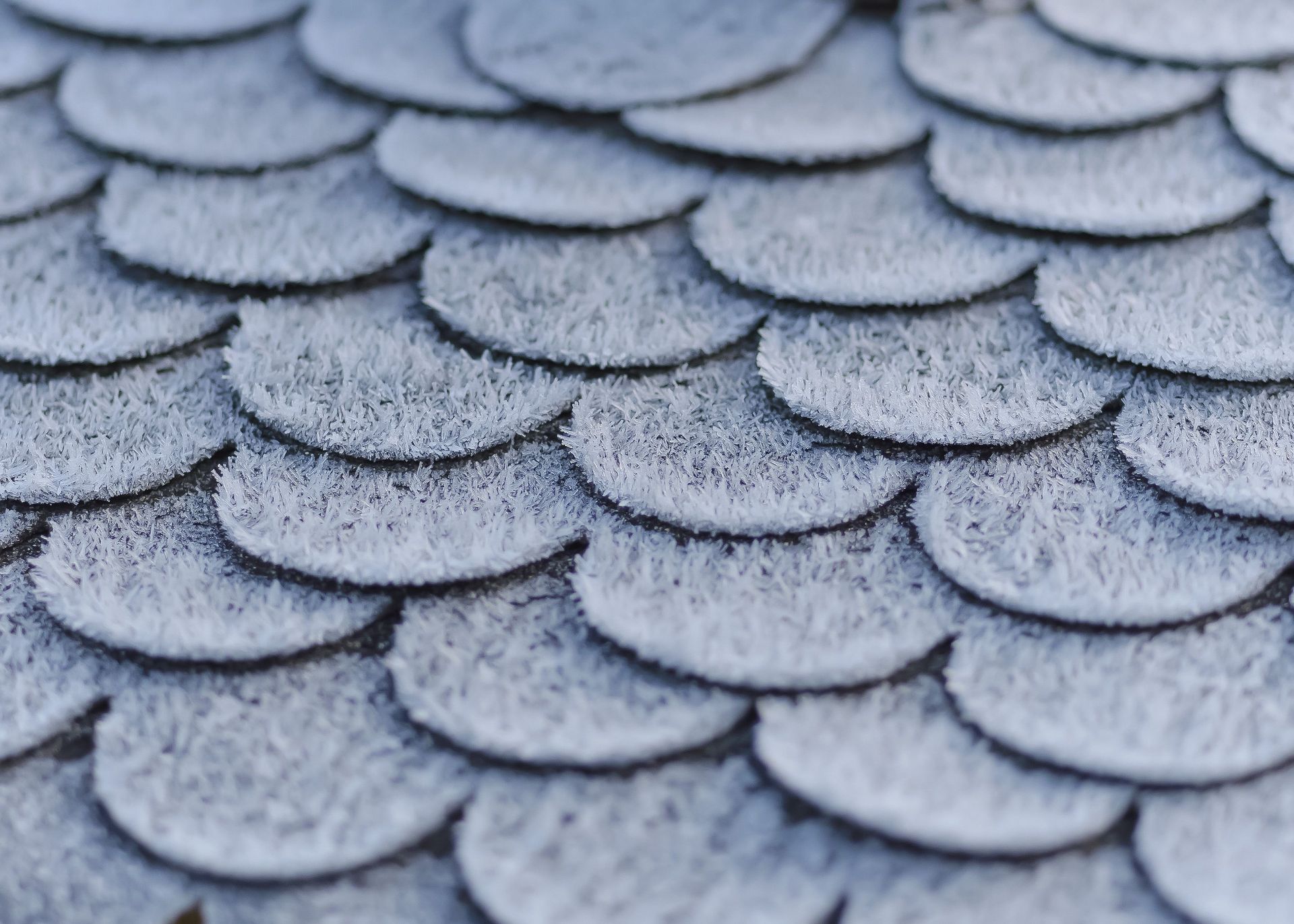
In a frost, trapped water freezes and expands. That's how small cracks in old slate turn into broken tiles over a north Wales winter.
6. Getting it off without wrecking the slate
The wrong way to clean a mossy roof is to blast it with a high-pressure jet. On old Welsh slate that's asking for trouble, because the force can strip the surface, crack tiles, and force water where it shouldn't go.
The better approach is soft washing. That means low-pressure water paired with a treatment that kills the moss at the root, so it dies back and washes away gently over the following weeks. It's slower, but it's kind to the slate your house has relied on for a hundred years.
Here are the things that make the biggest difference on a Wrexham roof:
- Low pressure, always: old slate can't take a heavy jet, so gentle washing protects it.
- Treat the roots: a proper biocide kills moss so it doesn't just grow straight back.
- Clear the gutters too: loosened moss ends up in the guttering, so that needs doing at the same time.
- Mind the shade: north-facing and tree-shaded slopes need checking more often.
- Book before winter: clearing moss ahead of the frosts stops small cracks becoming big ones.
Frequently Asked Questions
How often should a Wrexham roof be cleaned?
It depends on shade and tree cover, but many local roofs benefit from a check every couple of years. Damp, north-facing slopes may need it more often.
Will the moss just grow back?
Some regrowth is normal in a climate this wet. A proper biocide treatment slows it right down, so you go far longer between cleans.
Is pressure washing safe on old Welsh slate?
Not really. High pressure can crack and strip ageing slate. Low-pressure soft washing is the safer choice for older roofs.
Does moss actually damage the roof or just look bad?
It does real damage. Moss holds water against the slate, blocks gutters, and in frost that trapped water can crack tiles.
Can I remove roof moss myself?
On a steep, century-old terrace it's risky work at height. It's usually safer and cleaner to have someone experienced handle it.
Damp north Wales weather isn't going anywhere, but your moss can
Moss on a Wrexham roof isn't a sign you've done anything wrong. It's just what happens when old slate meets a wet, shaded, north Wales climate year after year. The trick is dealing with it gently and often enough that it never gets a proper grip.
Seeing green creep across your slate?
Ben's Roof Cleaning works across Wrexham and North Wales, with over 15 years of experience. Get in touch or call 01978 547208
for a free, no-obligation quote.